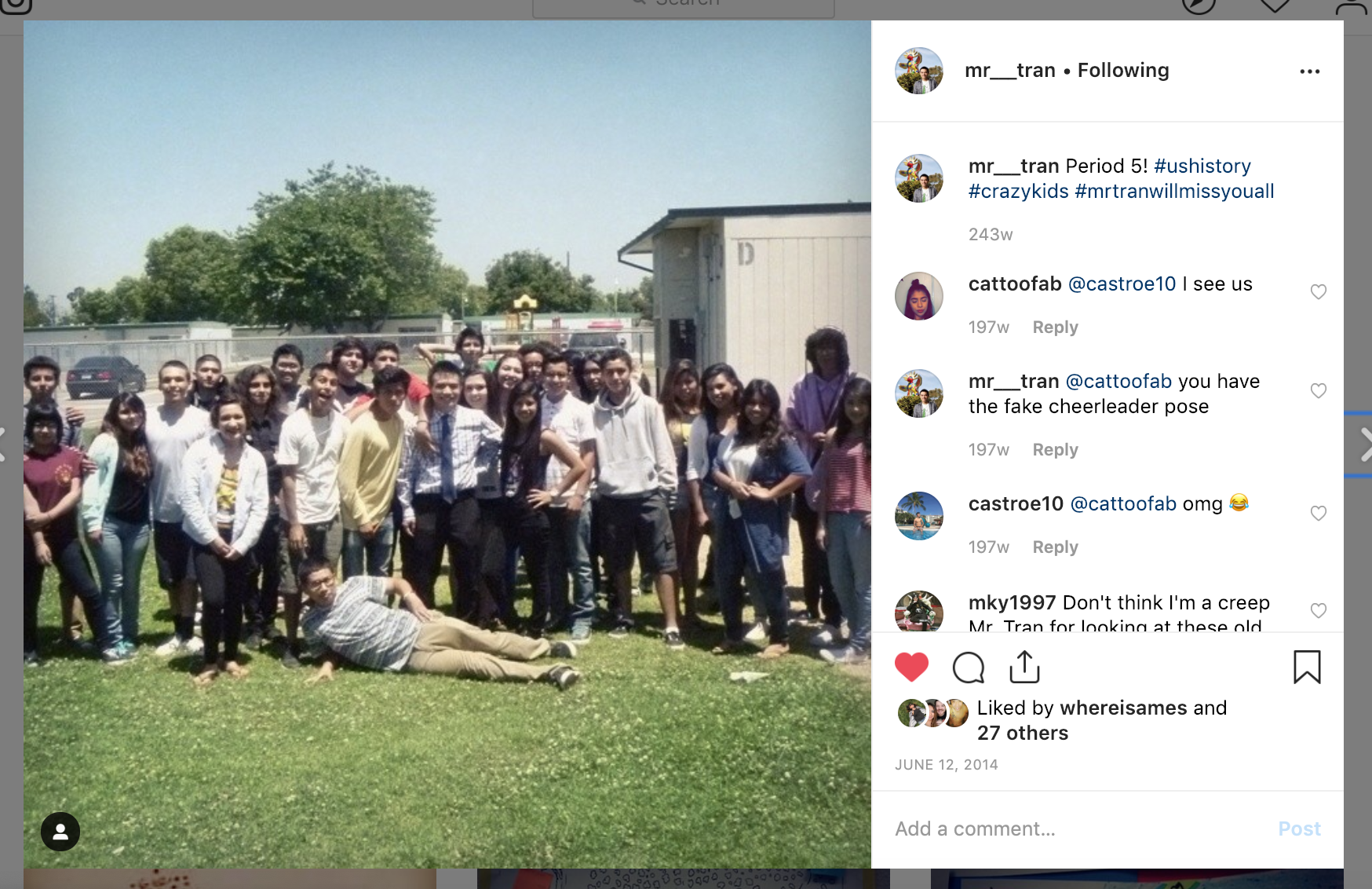
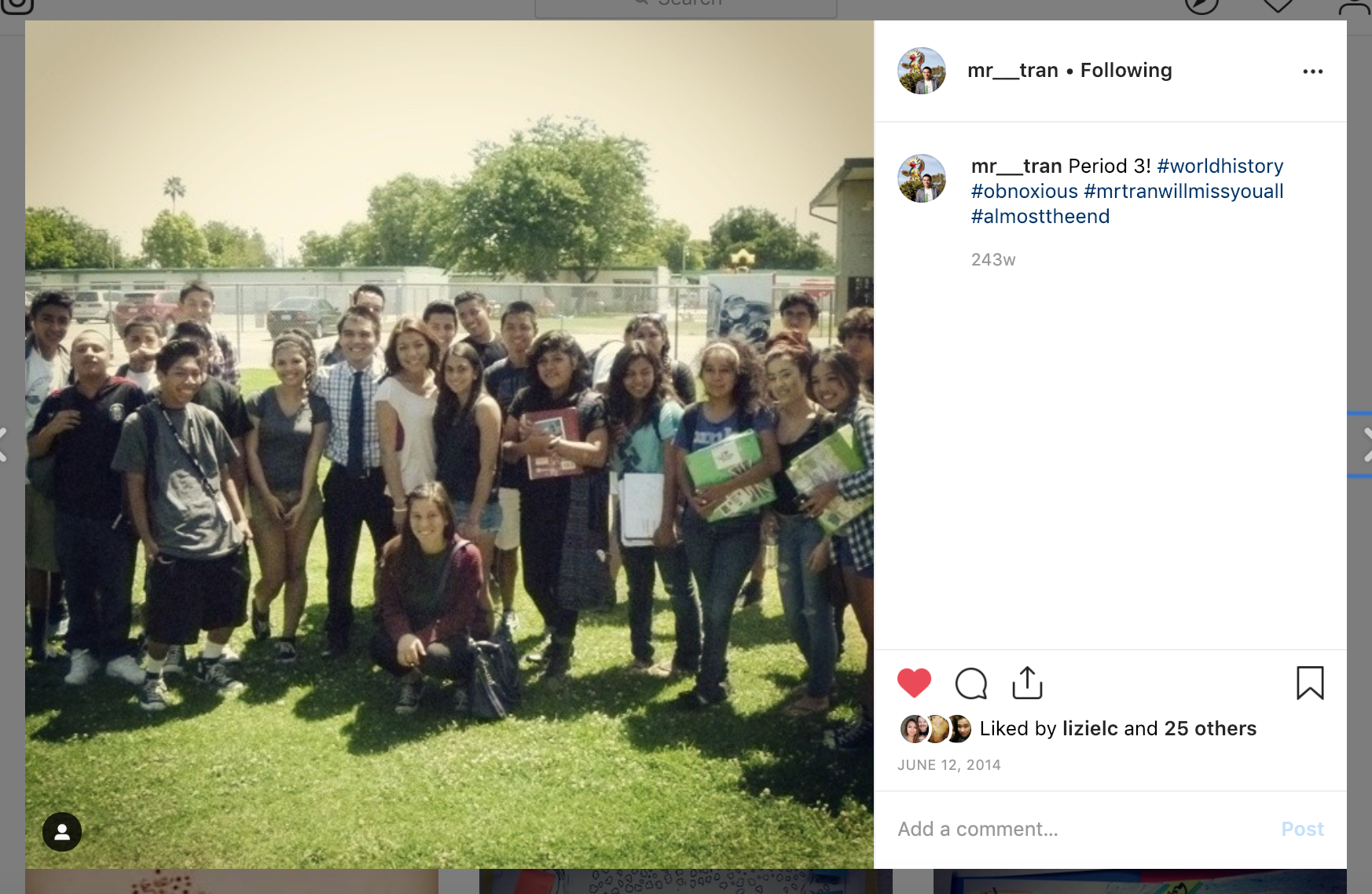
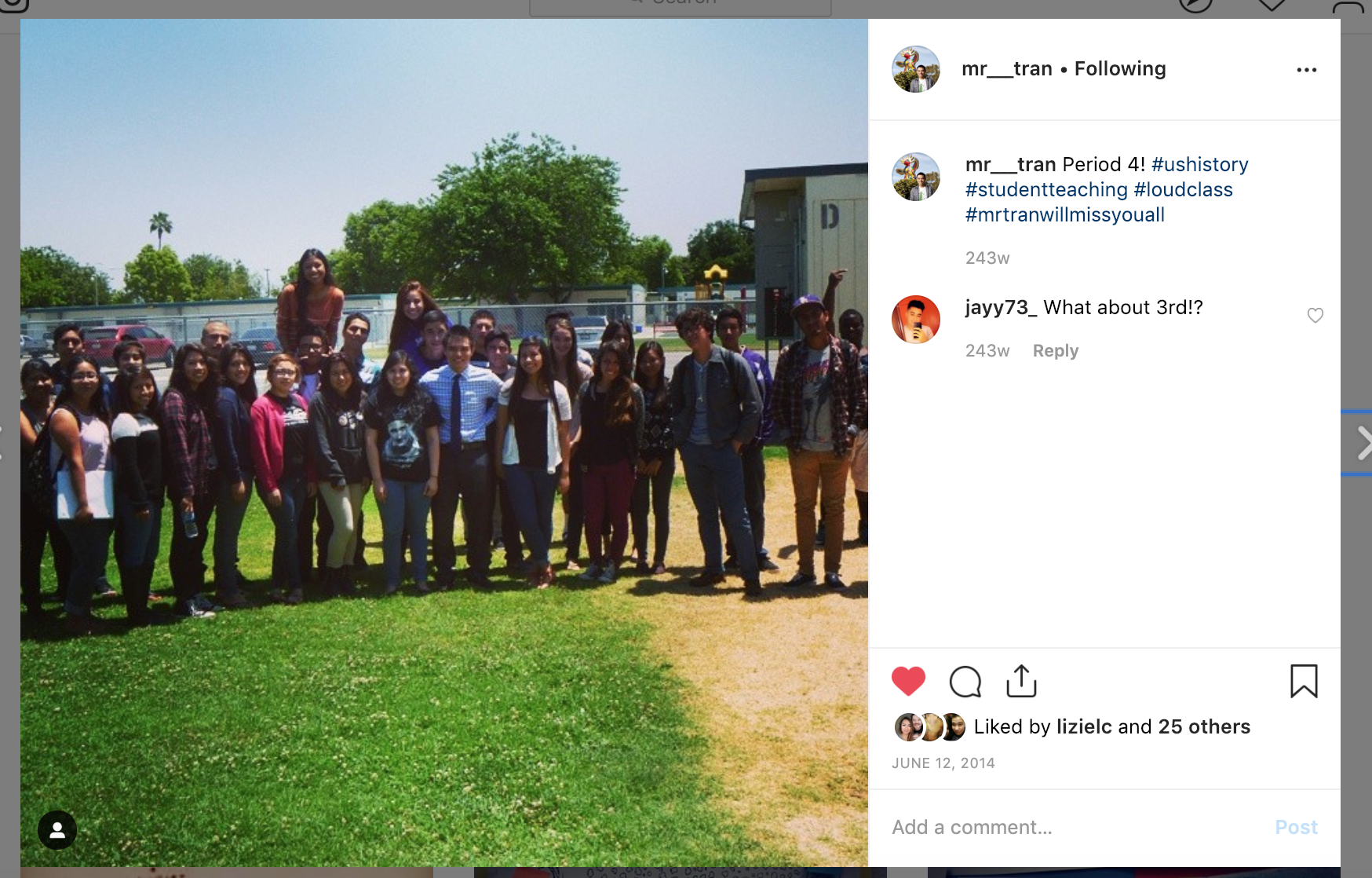
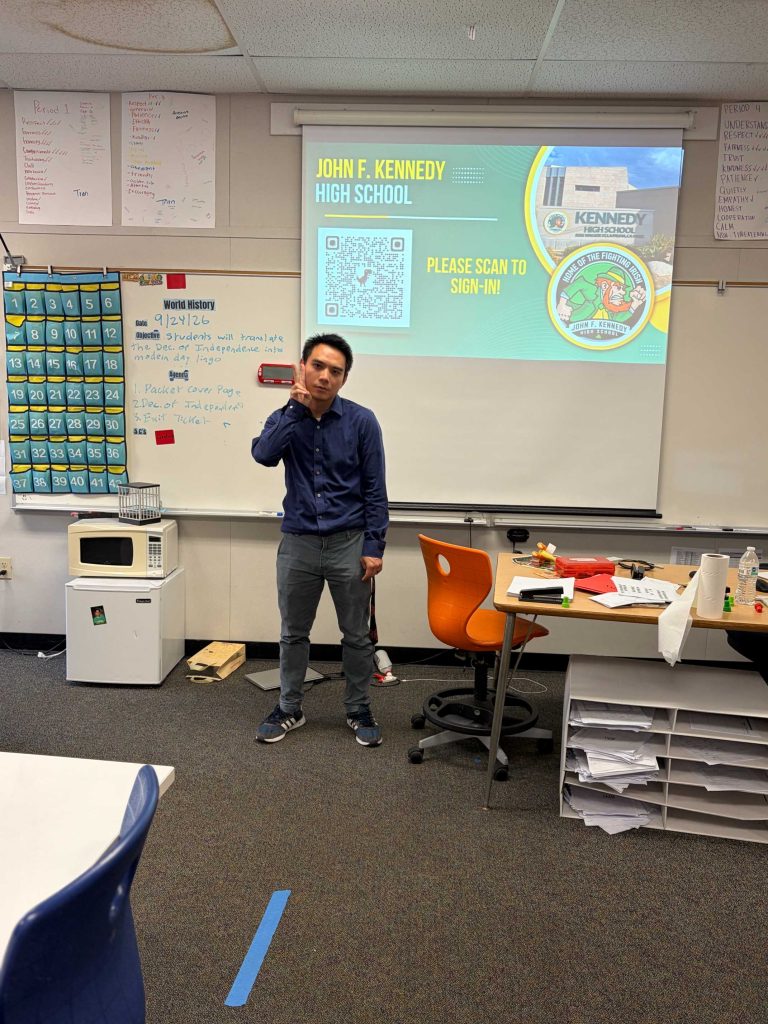
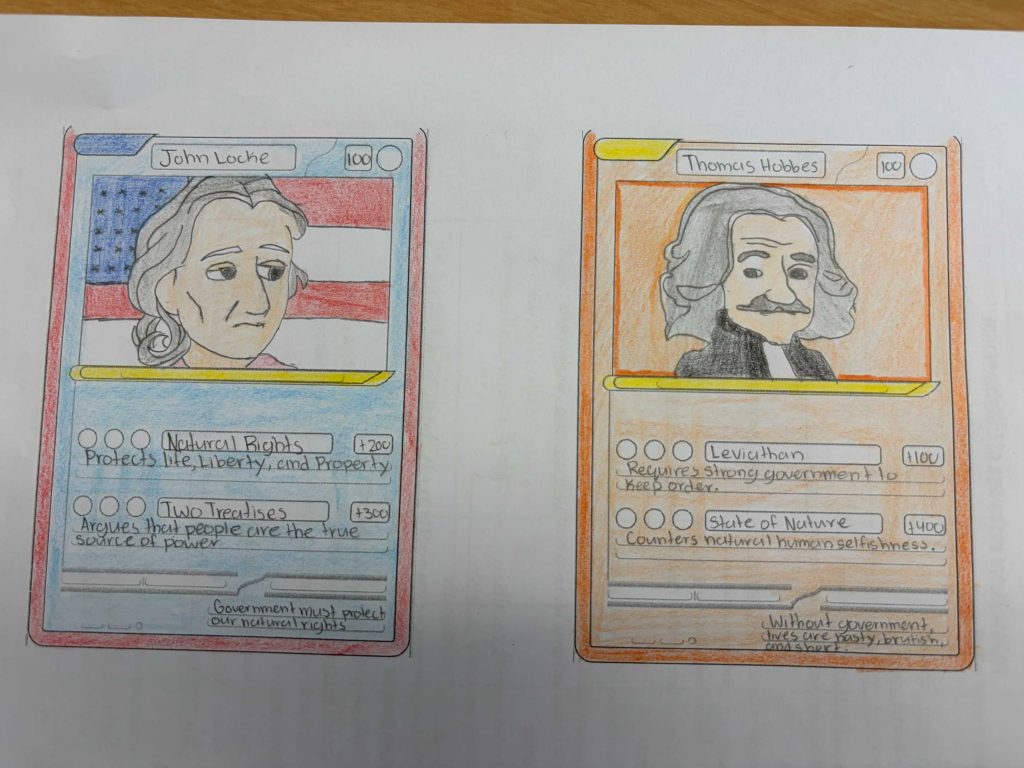
And just like that, with the ring of a bell, the school year comes to a close. Except this time… I’m in a different position than I was 6 years ago. Witnessing things from the perspective of the “teacher” instead of the “student” has been both a struggling and rewarding experience in and of itself.
Doing it all for free means I had to channel all my frustrations and unrealistic expectations of the teaching experience into something enriching and positive. The first semester wasn’t so hard – balancing mostly observations and a gradual transition into student teaching while juggling work at both Fairmont and the Anaheim Family YMCA (Katella High School). The second semester brought its own set of problems and frustrations, but I ended up focusing entirely on student teaching, working in Santiago’s library in the morning for a little extra pay. In the end, I may have lost revenue in terms of how much money I have in my bank account, but I gained the following pieces of wisdom:
1) Lesson Planning! The key is making a great lesson. If the lesson is more engaging, students will be more engaged. I learned early on that constructing these kids of lesson however took an extensive amount of time (on top of all the meetings, grading, and teaching you actually also have to do).
2) Like-ability is a factor in the classroom. Building classroom rapport is essential to getting the respect and proper treatment of students. You could always be the teacher that yells at the kids everyday, but that builds a sense of a disconnect between pupil and educator. Instead, to proper a nurturing relationship it is better to get on the good side of the kids, and to have the necessary number of kids on your side (specifically 2/3 of the classroom). Therefore, getting to know students, an experience I already had prior built at ThinkTogether and the YMCA really helped me out.
3) There will be students that will not want to do anything, but you have to try to encourage them somehow. I got through to a few kids, but still overlooked some. With growing class sizes it’s essential to make sure no child “gets left behind”, not in terms of how well they perform on a standardized test, but in making them aware of their own decisions in life.
4) It’s been a struggle. On the bad days when no one listens I legitimately think about quitting. But then I think about how much my students have improved since the beginning of the year: their assignments are better, their test scores are better, and although they complain about much of the content they have to learn and much of the work they have to do, I have to make sure in the end they finish the class knowing more than they had started.
5) It’s a learning process. It will take more and more time to be able to establish the proper procedures to ensure all students are working on their assignments. It’s also going to take more time for me to establish myself as an authority figure for these kids. I would much rather students learn something in my classroom and not like me than have students not learn anything and think I’m the “cool teacher” they can take advantage of. In the end I will need to work on my classroom management plans to ensure all my students succeed.
In the end, I will miss all of them, including the ones that brought me the most stress, because they are the ones challenging me to do my best each and every day.